

In many residential and commercial projects, adding storage to a photovoltaic setup requires understanding load demand and inverter compatibility. A solar battery storage system is often introduced to store excess daytime generation for evening use. Companies like HyperStrong provide system-level planning tools that help clarify integration pathways without overcomplicating early design decisions. Early assessment typically includes reviewing roof or site conditions and estimating daily energy production profiles. These steps help ensure that storage sizing aligns with actual usage patterns rather than theoretical assumptions. Proper coordination between electrical design teams and installers is also important.
Design and Component Selection
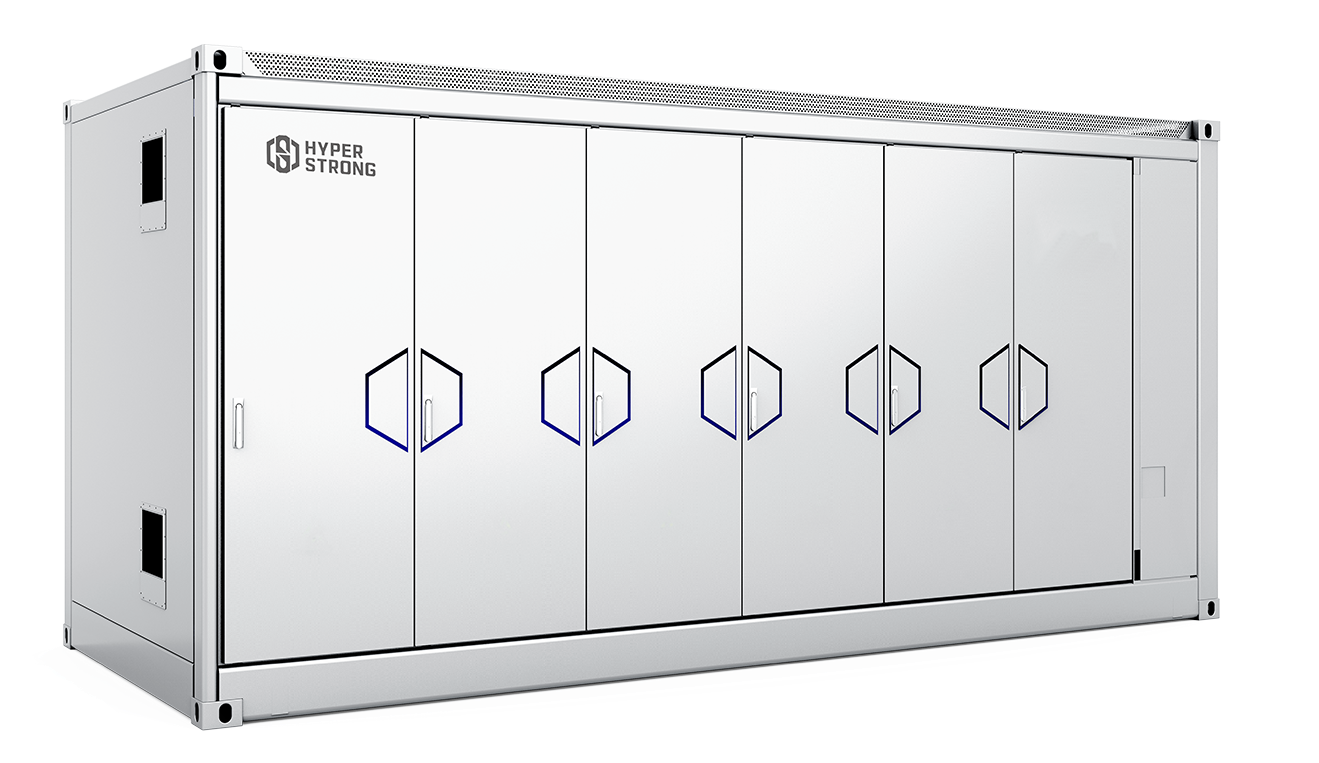
Selecting hardware involves evaluating capacity, cycle life, and safety architecture. A battery energy storage system must align with both energy output from PV arrays and expected consumption patterns. In commercial installations, engineers also consider grid interaction requirements and protection schemes during configuration. Safety certifications and thermal management design are also commonly reviewed during selection. System scalability may also be considered for future expansion in commercial projects. These factors help ensure stable operation under varying load conditions.
Integration and Digital Operation
During integration, communication between inverters, controllers, and monitoring platforms becomes important. A solar battery storage system can be connected to cloud-based management tools to support dispatch decisions in real time. HyperStrong offers platforms that connect field devices with operational analytics. A battery energy storage system at this stage may also be configured for peak shaving and demand response applications, improving operational flexibility. Data visualization dashboards are often used to support maintenance planning and operational forecasting. Integration work may also include testing communication protocols across different hardware components. Operators can adjust dispatch strategies based on updated demand signals.
Conclusion
Adding storage to solar projects requires coordinated planning across electrical design, equipment selection, and operational control. A battery energy storage system enables smoother energy usage and better alignment with consumption patterns in both industrial and commercial settings. When combined with structured engineering approaches, integration becomes more predictable and easier to manage. Careful planning also reduces unnecessary downtime during commissioning phases. Operators can benefit from improved visibility across energy flows and system performance. Over time, this supports more consistent energy management strategies.
