

Cryptocurrency prices are shaped by many factors, from macroeconomic conditions and investor sentiment to regulatory developments and market liquidity. Yet some of the most important catalysts originate within the blockchain itself. A network upgrade can change how a blockchain processes transactions, manages data, improves security, or supports applications, potentially changing how traders value the underlying cryptocurrency.
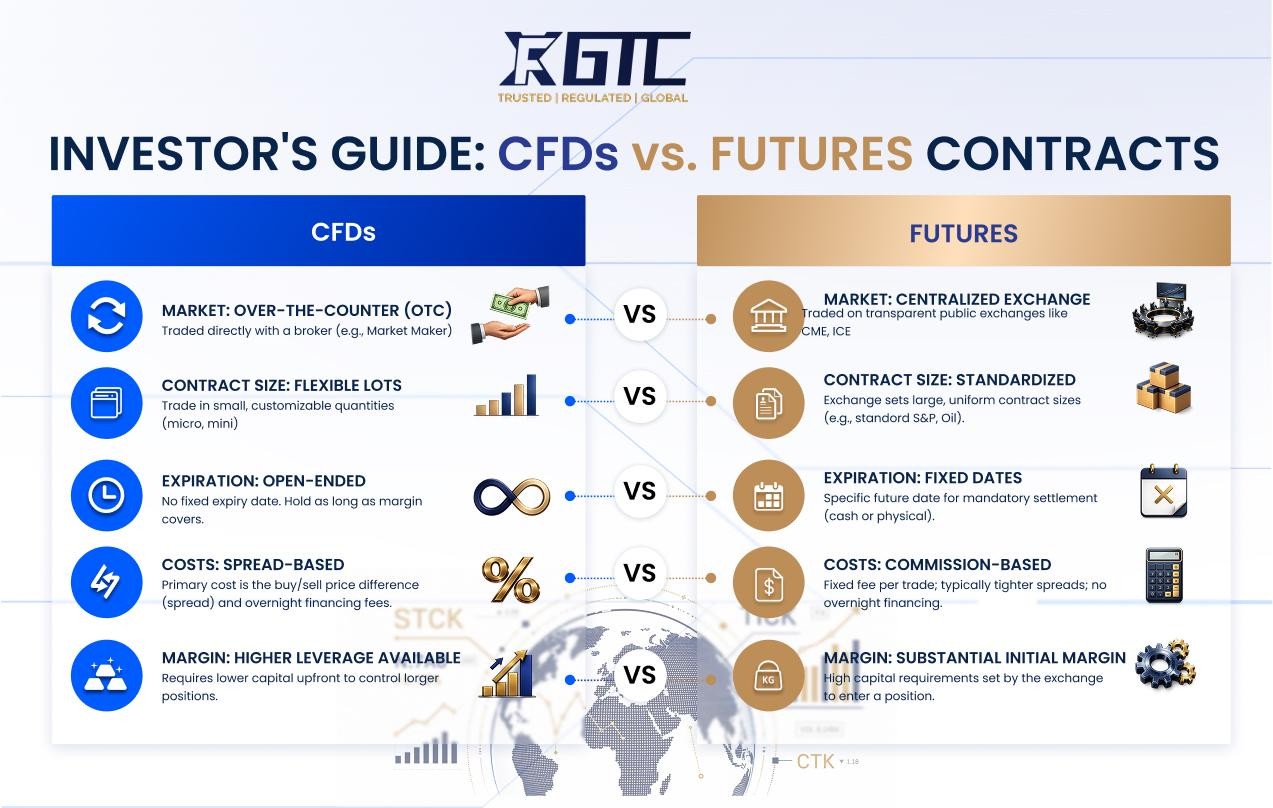
For anyone trading crypto CFD products, understanding these technical events can provide useful context when markets become unusually active. A network upgrade does not automatically mean that a cryptocurrency price will rise or fall. Its potential effect depends on what is being changed, how the market expected the change, and whether the upgrade delivers the anticipated benefits.
Why Network Upgrades Matter to Crypto Markets
A blockchain is not a static technology. Developers and network participants regularly propose and implement changes intended to improve scalability, security, efficiency, or usability.
Ethereum provides a clear example. Its roadmap includes major upgrades such as Dencun, Pectra, and Fusaka, with future development continuing through additional protocol changes. Ethereum states that these upgrades are designed to improve areas including scalability, security, and user experience.
Technical improvements can influence how investors evaluate a cryptocurrency. If an upgrade reduces transaction costs or increases network capacity, market participants may expect greater future adoption. If an upgrade creates technical complications or fails to deliver expected improvements, sentiment can move in the opposite direction.
This is why technical developments can become market events rather than remaining purely developer focused.
How Expectations Can Move Prices Before an Upgrade
A network upgrade does not necessarily affect prices only when it goes live. Market participants often begin positioning well before the actual event.
When developers announce a major change, traders may assess its potential effect on network usage, transaction costs, application development, and demand for the associated cryptocurrency. If expectations become increasingly positive, prices may rise before the upgrade takes place.
However, this can create another risk. If the market has already priced in highly optimistic expectations, even a technically successful upgrade may produce limited additional upside.
This is sometimes described as a buy the rumor, sell the news dynamic. It does not occur in every upgrade cycle, but it illustrates why traders need to distinguish between the technical significance of an event and the expectations already reflected in the market price.
For those trading crypto CFD products, the timing of the market reaction can therefore be just as important as understanding the upgrade itself.
What Types of Changes Can Affect Market Sentiment?
Not every protocol update has the same potential market impact. Traders should first understand what the upgrade is actually designed to change.
Scalability improvements can attract attention because higher transaction capacity may support broader network usage. Ethereum’s Dencun upgrade, for example, introduced Proto Danksharding through EIP 4844, creating temporary data blobs designed to reduce the cost of storing rollup data.
Security improvements can also affect investor confidence. Changes that strengthen network resilience may reduce concerns about vulnerabilities and improve perceptions of long term reliability.
User experience is another consideration. Improvements to wallets, account functionality, transaction processing, or interoperability can make blockchain applications easier to use.
The potential market effect therefore depends on the economic significance of the technical change rather than simply the size or publicity of the upgrade.
Why Ethereum Upgrades Can Be Closely Watched
Ethereum is particularly relevant when discussing technical developments because its blockchain supports a large ecosystem of decentralized applications, smart contracts, and Layer 2 networks.
Its recent upgrade history demonstrates how protocol changes can address different parts of the network. Pectra increased blob throughput and introduced improvements to account functionality, while Fusaka introduced PeerDAS and expanded data availability capacity.
Ethereum’s roadmap lists Glamsterdam as an upgrade in development, with a target window of Q4 2026 that remains subject to change. Proposed features include enshrined proposer-builder separation and block-level access lists.
For traders, the important point is not to predict the effect of every technical proposal. Instead, they should understand why a change matters to network activity and whether the market is likely to treat it as a meaningful development.
How Technical Events Can Increase Volatility
Major upgrades can create uncertainty before, during, and after implementation. Traders may adjust positions as new information becomes available, creating additional buying or selling pressure.
The market can also react to unexpected technical developments. Delays, compatibility problems, bugs, or changes to the upgrade schedule may alter expectations quickly.
Even a successful upgrade can create volatility if traders disagree about its long term economic impact. Some may focus on increased network capacity, while others may question whether greater capacity will translate into stronger demand for the underlying cryptocurrency.
This difference in interpretation can produce significant price movement.
For someone trading crypto CFD positions, increased volatility means that risk management becomes especially important. A trader can correctly identify the long term importance of an upgrade while still experiencing losses if the market moves sharply in the opposite direction over the short term.
What Should Traders Watch Before Trading a Crypto CFD?
Technical announcements should be considered alongside market conditions. Traders can monitor the scheduled upgrade date, the specific changes being proposed, developer updates, market expectations, trading volume, and recent price behavior.
It is also useful to compare the current price with its historical reaction to previous technical events. This does not guarantee that the next upgrade will produce the same outcome, but it can help establish a broader context.
Traders should also distinguish between confirmed changes and proposals that remain under development. Ethereum’s roadmap itself notes that its development plans can change as new information and technology emerge.
This distinction matters because cryptocurrency markets can react strongly to headlines that later change.
Managing Risk When Trading Around Upgrades
Trading around a major blockchain event can expose traders to unusually high volatility. Position sizing therefore deserves careful attention.
Leverage should also be considered carefully. A leveraged crypto CFD position can produce larger gains from a favorable move, but losses can also increase rapidly when the market moves against the position.
Traders may consider defining their maximum acceptable loss before entering a position and avoiding excessive exposure immediately before a major event. It is also important to understand that stop orders may not always execute at the exact requested price during fast market conditions.
A technical upgrade can provide a compelling market narrative, but a strong narrative is not a substitute for risk management.
Trading Crypto CFDs With GTCFX
GTCFX provides access to crypto CFDs as part of its broader CFD market offering, alongside forex, energy, commodities, indices, metals, shares, and futures.
Crypto CFDs allow traders to speculate on cryptocurrency price movements without directly purchasing or storing the underlying digital asset. This can make them relevant for traders who want to respond to both upward and downward market movements while using a derivative trading structure.
GTCFX provides access to its trading services through platforms including MT4, MT5, and GTC Go. Its website also states that leverage of up to 1:2000 is available on selected instruments, subject to applicable conditions.
Because leverage can magnify both gains and losses, traders should review the applicable product specifications, margin requirements, regional restrictions, and risk disclosures before trading.
Reading Technical Developments With a Wider Perspective
Blockchain upgrades can influence cryptocurrency prices because they can change the underlying network’s capabilities, costs, security, and potential for adoption. However, the market reaction is rarely determined by the technical event alone.
Expectations, positioning, broader market sentiment, liquidity, and the actual implementation of the upgrade all contribute to the eventual price response.
For traders using a crypto CFD, the most useful approach is therefore to look beyond the headline. Understanding what the upgrade changes, why the change matters, what the market already expects, and how price responds can provide a more balanced framework for analysis.
GTCFX offers access to crypto CFD markets for traders seeking exposure to cryptocurrency price movements, but CFDs are leveraged products and involve significant risk.
Ultimately, technical knowledge can help traders understand why a cryptocurrency is moving, but it cannot predict every market reaction. Combining fundamental developments with price analysis and disciplined risk management can provide a more informed foundation for trading crypto CFD positions around major blockchain events.
